Market stalls lie a little. A pyramid of tomatoes in February looks like abundance, but it is usually a long-haul traveller, picked hard and green and priced as if it were precious. Seasonal shopping is the simplest way to eat better and spend less, and it does not require memorising a botany textbook. What follows is a working checklist built around the Italian market calendar — the kind you pin to the fridge or keep on your phone and glance at before you leave the house. Read it as a map, not a rulebook. Weather moves, altitude moves, and a cold spring can push everything back a fortnight.
The logic behind the calendar
Every region has its own rhythm, and the south runs roughly two to four weeks ahead of the north. A Sicilian market in April already smells of strawberries; a market in the Veneto is still deep in asparagus and wild greens. The good news is that you do not need to know the dates precisely, because the market tells you. When a crate is piled high, when three vendors are selling the same thing, when the price drops without anyone announcing it — that is peak season. Out-of-season produce travels the opposite road: scarce, expensive, and often disappointing once you get it home.
Use the checklist below as a set of prompts. If an item is on it, look for it and ask about it. If it is not, be curious about why it is on the stall anyway.
Spring: March, April, May
Spring arrives in stages at the market. First the bitter greens and artichokes, then the pods, then the first soft fruit. It is a season of small purchases and quick cooking.
- Artichokes (March–April): Leaves tight and squeaky when you squeeze them, stem cut fresh rather than dried out. The spiny Sardinian types are worth the trimming work.
- Agretti (April–May): Thin, succulent strands sold in bunches. Wilt them in a pan with olive oil, garlic and lemon; they collapse fast, so buy a generous bundle.
- Asparagus (April–May): Slim spears with closed, firm tips. Wild asparagus is thinner and more fibrous than cultivated, and better simply blanched with eggs.
- Broad beans and peas (April–May): Pods that feel full but not bulging. Young fava beans need nothing more than a little pecorino and good oil.
- Puntarelle and wild greens (March): Borage, nettles, dandelion and field herbs appear in loose bunches, often from small growers. Ask how they were picked and use them within a day or two.
- Strawberries (April–June): Smaller, more fragrant fruit beats the oversized ones. Smell the box before you commit.
- Spring onions, spinach, first lettuces: Tender enough to eat raw; a good sign that the lighter cooking season has started.
Practical note: spring vegetables are delicate. Buy them for two or three days at a time rather than a week, and keep them loosely wrapped in the fridge rather than sealed in plastic.
Summer: June, July, August
This is the season when the market does most of the work for you. Prices are at their lowest, flavour is at its highest, and the risk is simply buying too much.
- Tomatoes (June–September): Ask for names — Cuore di Bue, San Marzano, datterini — and smell the stem end. A tomato that smells of nothing will taste of nothing.
- Stone fruit (June–August): Cherries first, then apricots, then peaches and plums. Press the shoulder gently; it should give slightly, not collapse.
- Melons and watermelon (July–August): Heavy for their size, dry stem scar, a hollow sound when tapped. Buy whole ones and cut them yourself.
- Aubergines, peppers, courgettes (June–September): Small courgettes are firmer and less seedy. Peppers should feel rigid, with glossy, unwrinkled skin.
- Figs (late July–September): A short, fragile window. Buy them the day you plan to eat them, and never stack them in a bag under heavier shopping.
- Green beans, cucumbers, basil: Basil with unbruised leaves and a stem that still looks alive will last a week in water on the counter.
If you preserve anything, do it now. Tomato passata, roasted peppers in oil, and stone fruit for jam all cost far less in July than in December, and the difference in flavour is not small.
Autumn: September, October, November
Autumn is the season shoppers underrate. The stalls get heavier and earthier, and the cooking gets slower and more generous.
- Grapes (September): Ask which variety you are looking at and taste one before buying a kilo. A faint dusty bloom on the skin is a good sign, not dirt.
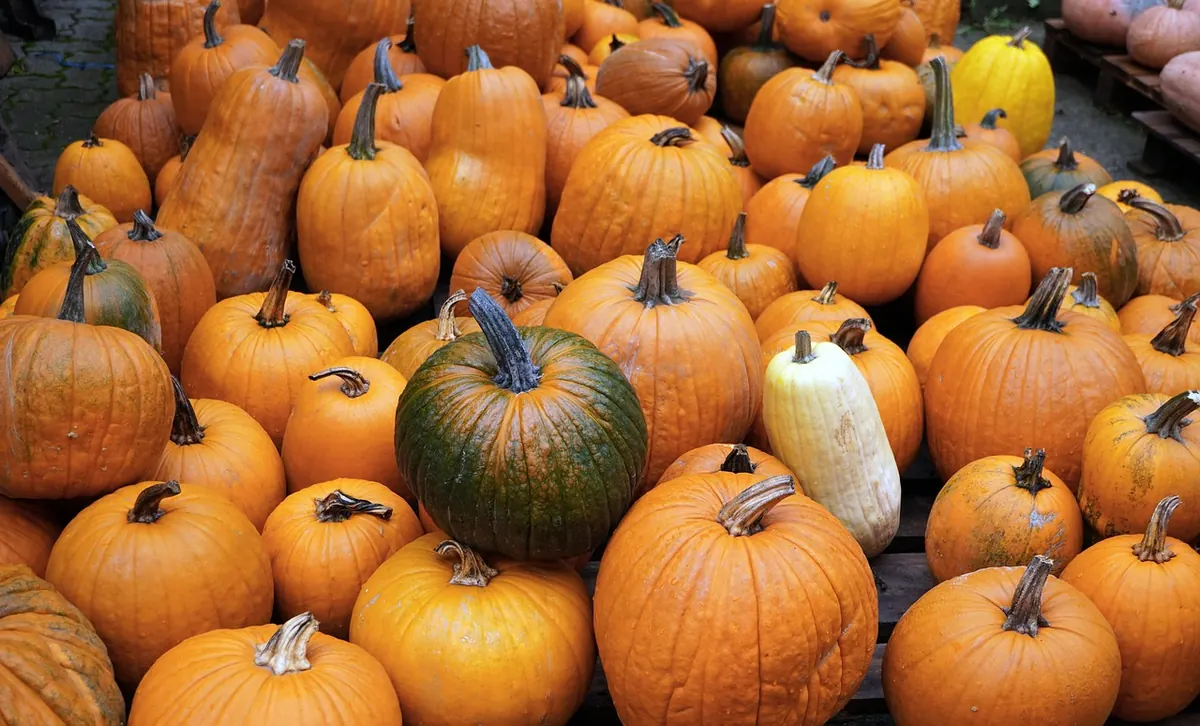
- Squash (October–November): Buy by the slice and look for dense, deep-coloured flesh and dry seeds. A watery pumpkin will disappoint in risotto.
- Mushrooms (September–October): Porcini and chiodini from vendors you trust. If you forage yourself, have your haul checked before cooking — many Italian regions offer a free inspection service through local mycological associations.
- Chestnuts (October–November): Firm, glossy shells with no small holes. Soak them briefly before roasting.
- Apples and pears (September–November): Look past the polished supermarket varieties and ask for local ones; they are often smaller, uglier and much better.
- Pomegranates, quinces, persimmons (October–November): Persimmons are ready when they feel almost too soft to handle.
- Cabbages, broccoli, radicchio, kale: From October onward the brassicas take over the back of the stall, and they are the best value in the market.
Winter: December, January, February
Winter markets are quieter and cheaper, and the produce is built for long cooking. This is the season to buy in bigger quantities and let the oven do the work.
- Citrus (December–February): Clementines, tarocco oranges, lemons. Choose fruit that feels heavy for its size with a fine, thin skin.
- Radicchio (November–February): Treviso, Chioggia, Castelfranco. Tight heads, no brown edges. Slightly bitter heads are the ones to grill.
- Cardoons and fennel (December–February): Cardoons need patience and lemon water; fennel should be white, tight and heavy.
- Black cabbage and kale (December–February): Cold weather sweetens them, so a frosty week is not a bad week to buy.
- Leeks, celeriac, Jerusalem artichokes (January–February): Cheap, sturdy and underused. Jerusalem artichokes make a fine soup with nothing but onion and stock.
- Artichokes return (February–March): The first ones are small and tender; the season then runs into spring.
One caution worth keeping: citrus looks best in the middle of winter, but a great deal of what is on offer is imported. Ask where it comes from if you are buying several kilos.
How to shop the checklist at the stall
- Ask what is good today. Vendors would rather sell you the best thing they have than watch you pick the wrong one.
- Read the crates. Origin and often the variety are written on the boxes or small cards. It takes two seconds and changes the decision.
- Compare the price with the calendar. A high price on an out-of-season item is mostly a transport and storage charge, not a quality signal.
- Buy in bulk only at peak. Ten kilos of tomatoes in August is a plan; ten kilos in March is a problem.
- Ask about "seconds". Bruised or oddly shaped fruit is often sold cheaply and is perfect for jam, sauces and soups.
- Plan a loose menu, not a fixed list. Decide the two or three meals you want, then let the stall fill in the details.
- Taste before committing. Most vendors will hand you a cherry or a grape. Accept it, and buy from the ones who offer.
A short closing note
Keep this checklist flexible. Write the month at the top of a page and add what you actually found, because your own market's timing will always be more accurate than any general calendar. If the weather has been strange, expect strange produce, and trust your nose and hands over the date. And if a season's first tomatoes are disappointing, that is not a failure of the market — it is simply a reminder that waiting a few weeks costs nothing and usually pays for itself in flavour.
Photo: matthiasboeckel / Pixabay