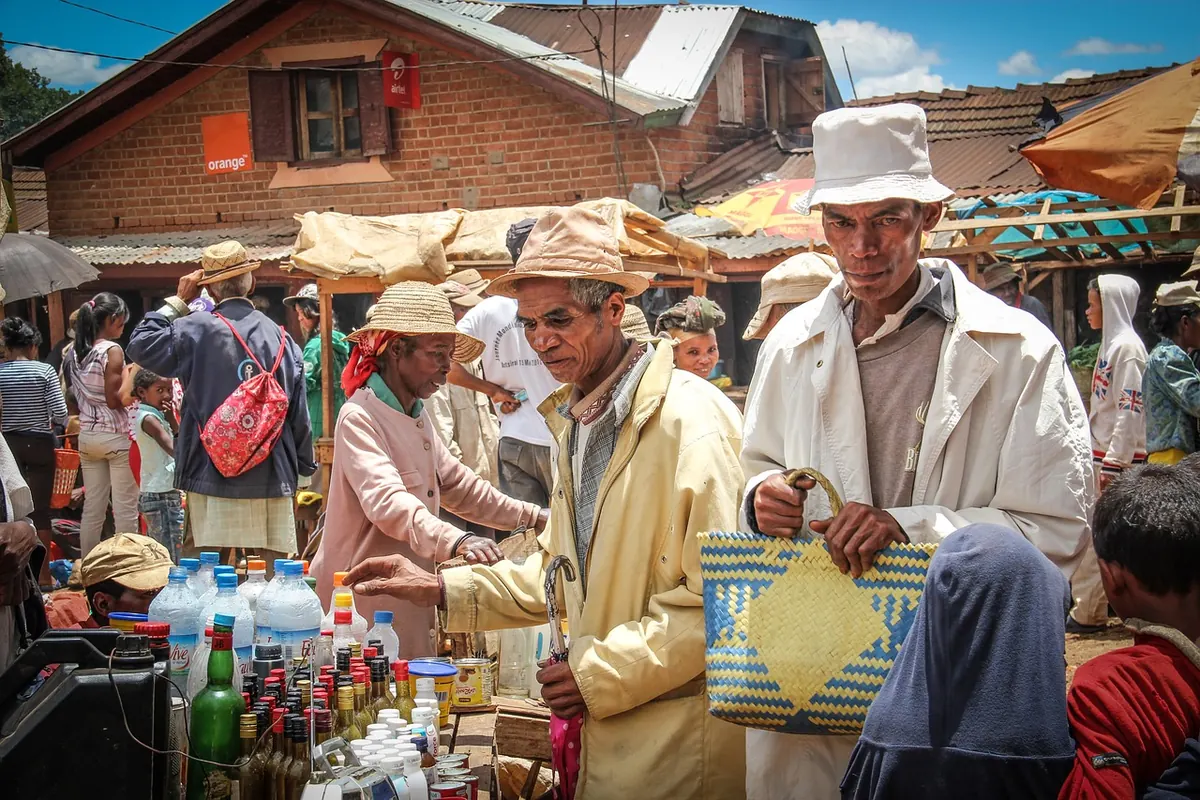
Saturday morning arrives with a familiar question: the farmers market on the square, or the flea market out at the old fairground? Both smell of coffee and damp canvas, both will fill a tote bag, and both can swallow an entire morning. But they reward different moods, different budgets and quite different kinds of shopping. Pick the wrong one and you end up carrying a crate of peaches through a field of vintage typewriters, or hunting for a table lamp among the leeks.
A farmers market runs on ritual. Growers arrive before dawn, stalls are arranged with some care, and the whole thing has a rhythm tied to the season. There is a short window of real abundance — asparagus in spring, tomatoes in late summer — and then it is gone. The pace is friendly but purposeful. People come with a list, or with a rough idea and a willingness to be talked into whatever looks best. You will hear conversations about weather, soil and last week's rain.
A flea market runs on chance. Layouts sprawl, aisles form and dissolve, and the good table might be behind a van in the far corner. Sellers range from lifelong dealers to someone clearing a garage after a house move. Nobody knows exactly what is there, which is the entire point. The atmosphere is looser, dustier and more unpredictable; you may spend forty minutes and find nothing, or find exactly the chair you needed in the first row.
If you want a calm, conversational outing with a picnic at the end, choose the farmers market. If you want the low-grade thrill of not knowing what you will come home with, choose the flea.
Expect food that was grown, baked, cured or bottled nearby: vegetables in their slightly uneven real shapes, fruit picked ripe enough to eat this week, eggs, honey, cheese, bread, preserves, cut flowers, herb seedlings and sometimes meat or fish from a named farm. Stalls tend to specialise. The person selling tomatoes probably only sells tomatoes, and can tell you which variety is best raw and which one deserves a slow oven.
Expect objects with a previous life: furniture, tools, ceramics, glassware, linens, books, records, cameras, picture frames, kitchenware, hardware, toys, odd single items from sets. Quality is wildly uneven and so is pricing logic. A stallholder may want a fortune for a chipped jug and almost nothing for a solid oak stool, because the price reflects sentiment rather than condition.
Be aware that the categories blur. Plenty of flea markets host a produce stall or two, and many farmers markets now include a craft or vintage corner. Arrive with an open mind but a clear main errand.
This is the section people get wrong most often, usually by trying to haggle over a punnet of raspberries.
At a flea market, negotiation is part of the transaction, though it is rarely aggressive. Ask politely, offer a round figure for a bundle of items rather than chipping away at one small thing, and be ready to walk away with a smile. Cash helps. Late in the day, sellers who do not want to pack the van are often more flexible. Early in the morning, they are not.
At a farmers market, prices are usually fixed and reflect a season of work. Asking for a discount on a single basket reads as an insult to the person who grew it. There are gentler routes: buy a whole case and ask whether there is a price for volume, ask about "seconds" — the slightly bruised produce often kept aside — or ask what is in good supply and therefore good value that week. These questions are welcome. Haggling over a two-item purchase is not.
The money goes to different places. Farmers market spending converts almost entirely into food you will eat within days, so it competes with your grocery budget. It is easy to overspend because everything looks good and the totals creep up in small increments; a handful of stall visits can quietly match a supermarket shop.
Flea market spending is discretionary. Nothing there is a necessity, which makes it simultaneously cheaper and more dangerous. A few small finds feel harmless; a large piece of furniture plus a van hire does not.
A few habits keep both under control:
Match the market to the job rather than to habit.
Decide the errand first, then the market. Check opening hours, because farmers markets often close by early afternoon and some flea markets are best in the first hour. Bring your own bags, cash in small notes, a bottle of water and — for the flea market — a tape measure, a note of any dimensions you need, and something to wrap fragile finds in. Wear shoes you can walk in on grass or gravel.
At the farmers market, ask one vendor what is at its peak and build dinner around the answer. At the flea market, set a limit, do one full lap, then return only to the stalls you remember. If you are spending real money on a vintage electrical item, antiques or anything with safety implications, it is sensible to have it checked by a qualified professional before use.
Both markets are worth the trip. The trick is knowing which morning you are actually having.
Photo: Fifaliana-joy / Pixabay
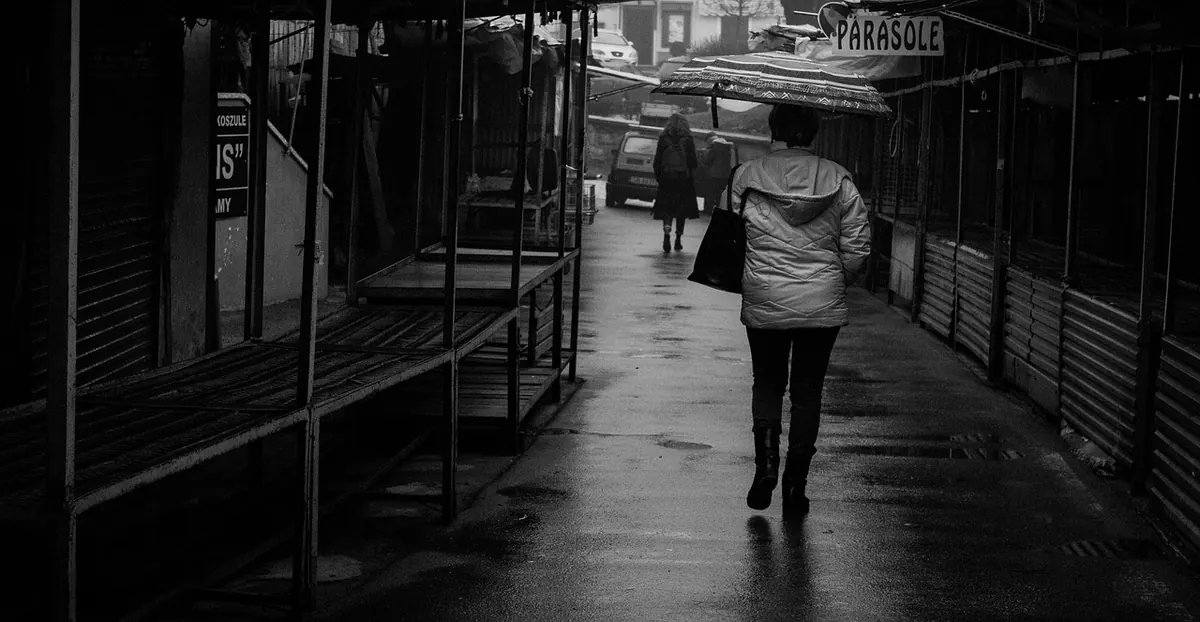
A practical guide to shopping local markets in the rain: when to go, which produce survives the wet, how to layer...
A practical guide to the seven mistakes that trip up first-time market shoppers—from arriving too late to...
A practical guide to writing balanced local market reviews, covering selection, pricing, accessibility, vendor...

Discover the best gems of the market.
