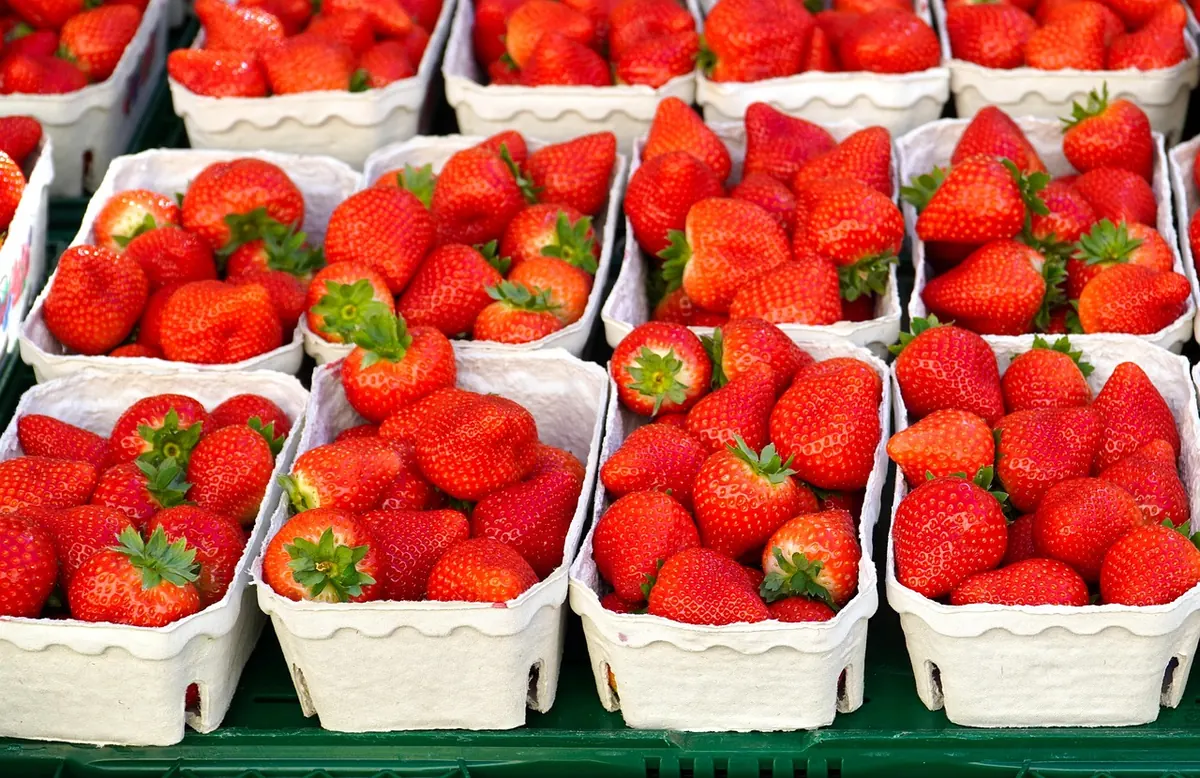
The last hour of a market has its own rhythm. Stalls begin to thin out, vendors start consolidating trays, and handwritten signs appear on whatever is left. For a patient shopper, this is the best moment to find good food at lower prices. It is also the moment when a little judgment matters most.
A reduced sticker is not a license to buy everything. Some foods improve as a bargain; others simply become tomorrow’s problem. The trick is to know which items are worth waiting for, how to inspect them, and when to walk away.
Why Closing Time Rewards a Little Strategy
Vendors would rather sell than pack up, so discounts tend to appear near the end of the day. The reasons vary. A baker may have baked more loaves than expected. A produce seller may be left with soft fruit that needs eating tonight. An artisan stall may be closing out a line of preserves or cheese ends. These are different situations, and they call for different decisions.
The best closing-time shoppers do not grab the first reduced bag they see. They take one slow lap, compare what is left, and ask a few direct questions. They also arrive with a cool bag, a rough idea of what they can cook, and enough time to look twice. That small amount of preparation is what separates a useful discount from a wasted one.
It helps to think in terms of tomorrow as well as tonight. A marked-down loaf can become toast, crumbs, or frozen slices. A tray of soft tomatoes can become sauce. A piece of cheese can be grated and frozen. The bargain is only real if you have a plan for using it before it turns.
The 10-Item Closing-Time Checklist
These are the categories where closing-time discounts tend to be safest and most useful. Treat the order as a guide, not a rule, and adjust it to what your market actually sells.
- Day-old bread and bakery staples. Loaves, focaccia, rolls, bagels, and flatbreads are among the safest discounts. They are dry, easy to inspect, and freeze well. Press a loaf: it should feel springy, not damp or heavy. Skip anything with mold, a sour smell, or a soggy crust. Slice before freezing, then refresh in a hot oven. A sturdy sourdough that is a day past its best can still make excellent toast, croutons, or a panzanella salad.
- Ripe soft fruit for same-day cooking. Berries, peaches, figs, and tomatoes are often reduced because they are too soft to last another day. That is fine if you will eat or cook them immediately. Look for aroma and color, not bruises and leaks. Remove moldy fruit at once, then make compote, roast tomatoes, or freeze puree. A punnet of soft raspberries is a poor snack but a very good sauce for yogurt or ice cream.
- Salad greens and fresh herbs. A bag of leaves or a bunch of parsley can be a bargain if you use it tonight. Check for slime, yellowing, and a sour smell. Wash and dry greens promptly; wilted leaves can go into soup. Blend herbs with oil and freeze in ice-cube trays. Keep basil out of the fridge. If a bag of leaves already feels damp and compacted, leave it behind; that is one discount that rarely improves at home.
- Mushrooms. Loose mushrooms are reduced when they are past their prime but still cookable. Choose firm caps with dry surfaces and an earthy smell. Avoid anything slimy, dark, or sour. Cook them thoroughly rather than eating them raw. A quick sauté with garlic, then freezing, turns a discount into a future side dish. Large flat caps can be roasted whole, while smaller ones work well in a simple pasta sauce.
- Hard cheese ends and offcuts. Parmesan, pecorino, aged cheddar, and similar firm cheeses are excellent closing-time purchases. The rind can flavor soup or sauce; the ends grate beautifully. Ask the vendor to wrap each piece separately. Avoid soft cheeses that have been sitting in warm air. Grate and freeze what you will not use within a few days. A bag of cheese ends can be more useful than a neat wedge because it gives you just enough for a bake or a risotto.
- Cured meat ends and whole pieces. Ends of prosciutto, salami, and pancetta are useful for cooking, provided they have been stored cool and look clean. Pre-sliced meats that have sat out are a different risk. Check for slime, sticky surfaces, or an off smell. Use small pieces in pasta, beans, or greens; slice thin and keep cold. A few ends of pancetta can flavor a pot of beans for several meals without costing much at all.
- Sturdy cakes, croissants, and plain pastries. Plain croissants, fruit cakes, and dry pastries freeze well. Cream-filled or custard-filled items are less forgiving, especially if they have been displayed warm. Ask whether they have been refrigerated and how long they have been out. Warm day-old croissants in the oven; slice and freeze cakes in portions. A plain fruit cake often improves after a day or two, while a custard tart does not.
- Seasonal vegetables for roasting and soup. Peppers, eggplant, zucchini, onions, and tomatoes often look tired at closing time but taste fine after cooking. Choose firm vegetables and cut away small blemishes. Roast a tray with oil and salt, or simmer into soup. Avoid produce with mold, weeping spots, or a fermented smell. Cooked vegetables freeze well. A mixed tray of discounted peppers and eggplant can become a rich, smoky sauce for pasta or a simple soup.
- Artisan pantry goods. Olive oil, honey, preserves, vinegar, and dried pasta are among the safest discounts because they are shelf-stable. A reduced jar may simply be an end-of-line flavor or a damaged label. Check the seal, lid, and date; reject leaks or bulging lids. Ask how the vendor recommends storing it, especially for oil and honey. A jar of good preserves with a torn label is still a jar of good preserves.
- Whole fish or meat only with a clear cold chain. This is the category to treat with the most caution. Whole fish should have clear eyes, red gills, firm flesh, and a clean sea smell. Meat should feel cold to the touch and come from a properly chilled case. Ask when it was delivered and whether it has been out of refrigeration. If the vendor cannot answer simply, leave it. A bargain protein is not worth a spoiled dinner. If you do buy, keep it in a cool bag and cook or freeze it promptly.
How to Inspect a Closing-Time Bargain
Inspection is not about being suspicious; it is about being practical. You are trying to answer one question: can I use this safely and well before it declines further? A quick check of smell, texture, temperature, and packaging will usually tell you what you need to know.
- Use your senses first. Smell should be clean and specific to the food. Bread should smell like bread, fish like the sea, and mushrooms like earth. A sour, stale, or ammonia-like smell is a sign to step away.
- Ask why it is reduced. A short, clear answer is reassuring: “We baked too much,” “It is the last of the line,” or “It needs eating today.” Vague answers about a product that should be refrigerated are a warning.
- Check the cold chain. For meat, fish, dairy, and soft cheeses, the surface should feel cold. If a chilled item is sitting in warm air at the end of the day, the discount is not worth the risk.
- Think in portions. Ask yourself how much you can realistically cook, freeze, or share. Two bags of soft fruit may be a bargain, but only if you have time to turn them into compote that evening.
What to Skip, Even at a Discount
Some items are reduced for good reason, and no amount of cooking will rescue them. It is better to leave these behind than to spend money on food that ends up in the bin.
- Warm cream-filled pastries. Custard and cream are fragile, especially when they have been displayed at room temperature. Unless you know they have been kept cold, skip them.
- Pre-cut fruit and wet bagged salads. Cut surfaces and damp leaves spoil quickly. If the bag is swollen or the fruit looks glossy and weeping, walk on.
- Soft cheese from an unchilled stall. A firm cheese end is one thing; a soft cheese that has been sitting out is another. Buy only from a properly chilled display.
- Anything with a bulging lid or leaking seal. A damaged jar is not a bargain. Check the seal and the date before you hand over any money.
- Fish or meat with any doubt. If you hesitate, leave it. There will be another market next week, and a safe dinner is worth more than a small saving.
A discount is only useful if you can use it well. The best closing-time buys are the ones that fit your kitchen, your freezer, and your plans for the next day or two.
A Five-Minute Closing-Time Routine
If you want to make the most of end-of-market prices without bringing home a pile of regrets, a simple routine helps. It keeps you focused and makes the decision quicker.
- Take one lap before buying. See what is left across the whole market. A reduced bag at the first stall may look good until you find a better one two rows over.
- Set a budget and a menu. Decide roughly what you can cook tonight and what can wait for the freezer. A loose plan prevents impulse buying.
- Ask, inspect, decide. Ask why the item is reduced, check it with your senses, and decide once. Avoid lingering over a doubtful bargain.
- Pack it cold and store it fast. Bring a cool bag for chilled items and deal with perishable food as soon as you get home. Wash greens, slice bread, grate cheese, or portion meat before you sit down.
With a little patience and a clear checklist, the last hour of the market can be the most rewarding. You are not just chasing lower prices; you are choosing food that still has a useful life. That is the difference between a clever discount and a wasted one.
Photo: matthiasboeckel / Pixabay